Cute×癒し - 心を満たす音楽空間

心に優しく寄り添う癒しメロディ
日常の忙しさから一歩離れ
ふんわりとした幸せを感じられるほのぼの空間です

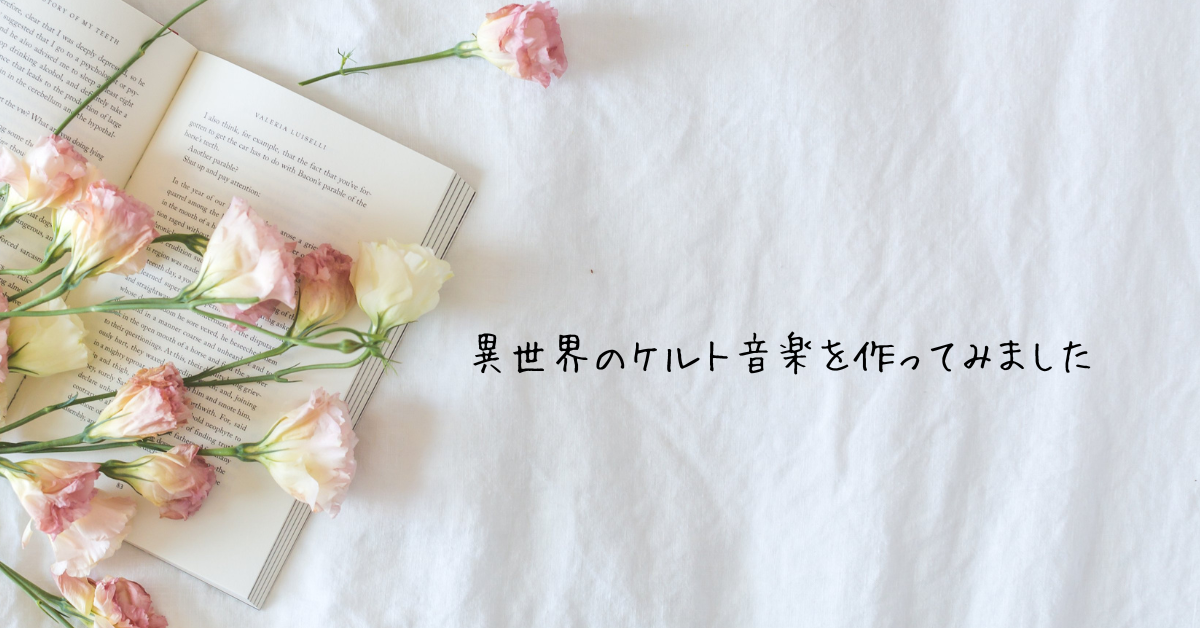
異世界のケルト音楽を作ってみました

Lesson Notes


異世界、ケルト音楽を体験

ちょっと異世界を旅するような気分で、ケルト音楽で遊んでみました。

独特な雰囲気があふれ出す民族音楽ですが、そこからは人や自然の「生気」がとても強く感じられます。 それはまさに、万物に生命が宿ると考える「アニミズム」の世界観。

私はいつも、北海道の澄んだ空気や南国のゆったりした時間など、自然をテーマに音楽を制作しています。その中でふと心がキュンとなったり、ほのぼのした光景もアニミズム?

いや、ほのぼのはもう少し軽い意味なのかなと色々考えたりもして。

木々や川に精霊が宿ると考えるケルトの人々のように、私も同じように生命力を感じています。 愛犬、庭で育つ植物たち、私たちが毎日食べているもの、それを作る人たちの思い、それらと自分の境界線はないのではと思っています。

実はこれまで、アニミズムという言葉を使わず、「五感」や「生命力」という言葉で表現してきました。

「自然を音楽で表現している」と、言葉にした途端、どこか胡散臭く、スピリチュアルなものに聞こえてしまうかな?

私はとても現実的で、自分の目で見たものしか信じないので、(かなり疑い深いです)どう伝えたらいいのかわからず、あまり人に言うことはありませんでした。

その上、物に何かが宿っている、と超自然的なことを信じているわけではありません。

一日雨が降っただけなのに、背が高くなる草木、鮮やかな花の色や形、変な顔をした深海魚。

音楽を作るときも、決して「何かが降りてくる」などそういうことは全くなくて、私が感じているのは、もっと生々しい生気というか。

特にゴスペルなどは、人の声ということもあって圧倒的な生気を感じます。

ピアノは、歌や管楽器と違ってブレス(息継ぎ)がなくても弾けてしまう楽器です。けれど、実はピアニストのすぐ近くで演奏を聴いてみると、演奏者の息づかいが聞こえてくることはありませんか?

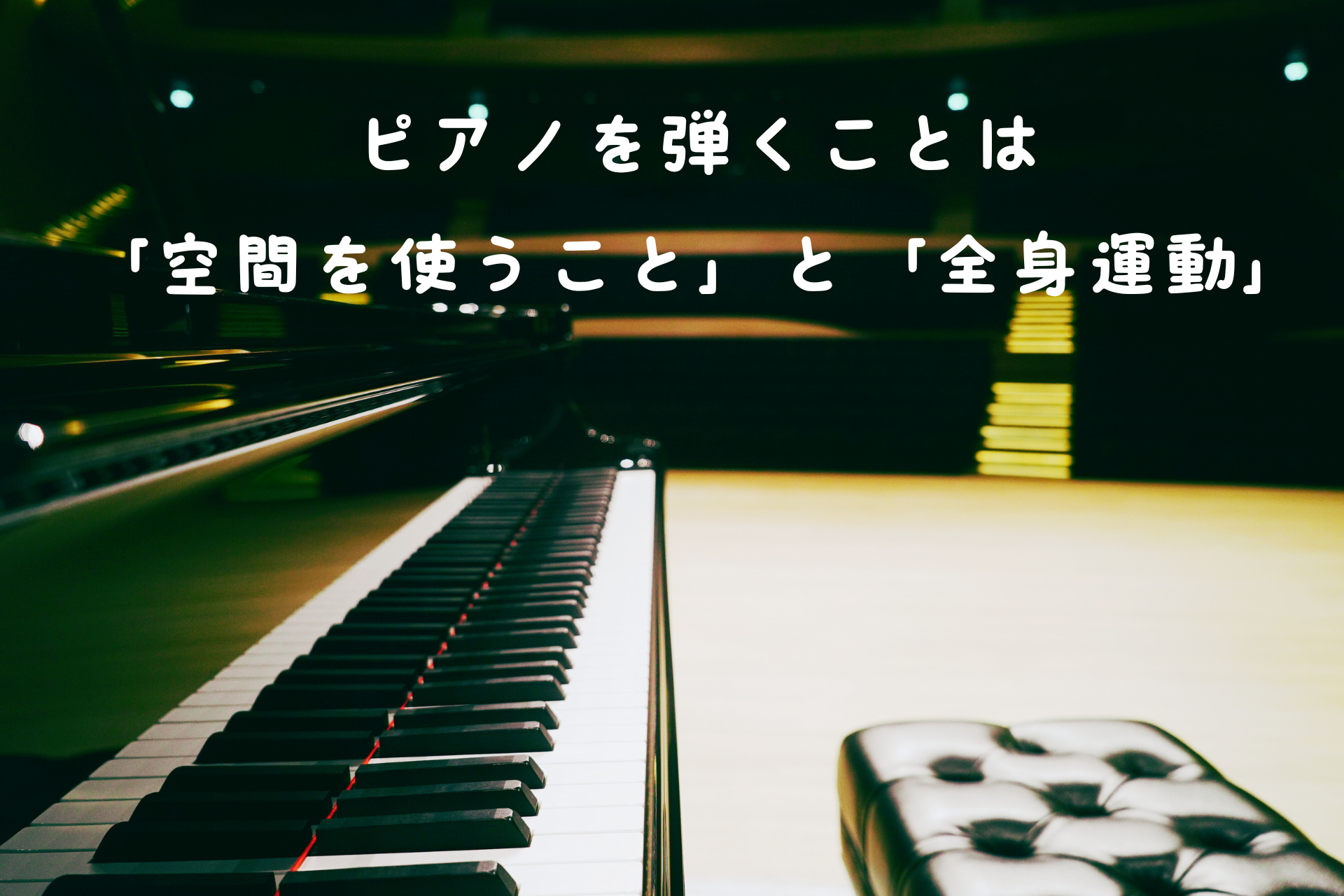
もちろん、私も弾く時はブレスを当然のこととして演奏しています。 歌や管楽器が体を使って音を出すように、ピアノもまた、指先だけでなく全身を使って奏でるもの。以前の記事でも書きました。

そんなことから、いわゆる生気のある心が通った演奏になるのだと思ってます。

ということでだいぶ前置きが長くなってしまいましたが、イメージで作ったケルト音楽。

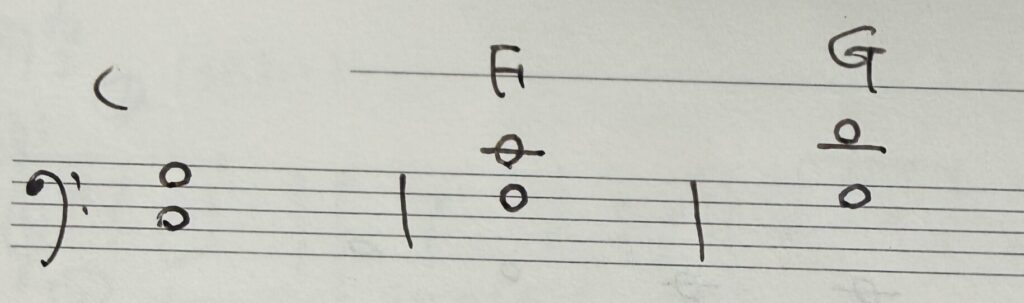
完全五度の和音を使ってあげると雰囲気が出ますが、三度の音を入れてしまうと途端にケルトじゃなくなってしまいます。

ぜひ不思議な完全五度の響きを味わってみてください。
たまに北欧を感じるのもいいですね

イタリア語でanima(魂、生命)
ピアノの楽譜にも、時々 con animaという用語が出てきますね。

生き生きと。生命力をもって。魂を込めて。など訳されています。

このcon animaで自分なりにどうやって弾いたらいいのだろう?と考えたことがよみがえりました。

(conは英語のwithという意味)

animaが語源でanimismということばができたとか。

皆さんはどのように考えますか?

私も、時々縄文の人になったつもりで、食べる、寝るの日々。

現代人はいろいろな物や概念を持ち過ぎました。本当は、物事はもっとシンプルでいいはずですよね。


最近のYoutubeの投稿。再アレンジした曲や新曲のプレイリスト。
【Peaceful Mornings with Piano】Piano Playlist
00:00 朝空(morning sky)02:55 窓(window)07:14 Just Stay09:16 和み(nagomi)11:02 ordinary days新曲「Just Stay」と...


アルバムは完成して、6月のはじめに配信開始します。アルバムタイトルは「Small Joys」お楽しみに!

 

Experiencing an Otherworld through Celtic Music

I recently experimented with creating Celtic music, feeling as though I were journeying through another world.
This folk music has a distinct atmosphere, but it radiates a powerful seiki (vibrant life force) from humans and nature. It embodies “animism”—the worldview that life resides in all things.
I always compose music around themes of nature, like the crisp air of Hokkaido or the slow time of tropical islands. When my heart catches at a peaceful scene, I wonder: Is this animism too? Or is “peaceful” too light a word? I find myself pondering these things.
Like the Celtic people who saw spirits in trees and rivers, I feel that same life force around me. My dog, my garden plants, our daily food, and the thoughts of its producers—I often feel there is no boundary between them and myself.
Until now, I avoided the word “animism,” using “the five senses” or “vitality” instead. I worried that saying “I express nature through music” might sound too sketchy or overly spiritual.
In reality, I am a very pragmatic person and quite a skeptic; I only believe what I see. I rarely spoke about this because I didn’t know how to communicate it. I don’t believe in the supernatural, nor do I think spirits literally hide inside objects.
I am simply moved by the raw power of nature: plants shooting up after a single day of rain, the vivid colors of flowers, or the bizarre faces of deep-sea fish.
When I compose, nothing “divine” descends upon me. I am just feeling a gritty, living essence—this raw seiki. Gospel music, in particular, carries an overwhelming life force because of the human voice.
Unlike singing, the piano can be played without a breath. Yet, if you listen closely to a pianist, haven’t you noticed the sound of their actual breathing?
Of course, when I play, I treat breathing as essential. As I’ve mentioned in a previous post, the piano is played with the whole body, not just the fingertips. This physical connection brings a performance to life, gaining a seiki that connects with the heart.
That was a long introduction, but here is the Celtic-inspired piece I created.
(Insert link to video/audio here)
To get that authentic Celtic atmosphere, using perfect fifth chords is key. The moment you introduce a third, it loses its Celtic character and turns into standard pop. Please enjoy the mysterious resonance of the perfect fifth.
It’s wonderful to occasionally feel the breeze of Northern Europe.
In Italian, anima means “soul” or “life.” The musical term con anima occasionally appears in piano scores, doesn’t it? It translates to “with life” or “with soul.”
(Here, con means “with.”)
They say the word animism was actually created using this word anima as its root. Whenever I encountered con anima, it brought back memories of wondering, “How exactly should I play to express this in my own way?”
How do you all feel about this?

Sometimes, I like to live pretending I am a person from the Jomon period—simply eating and sleeping. Modern people have surrounded themselves with too many things and complicated concepts. In reality, things should be much simpler, shouldn’t they?

コメント