Jomon Dogu: The Connection Between Spirals and Music
Discovering the Meaning of Spirals
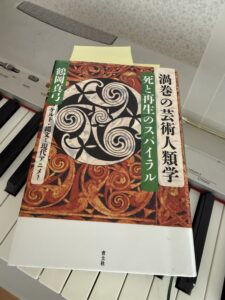
I recently read a fascinating book called *Anthropology of Spiral Arts* by Mayumi Tsuruoka. I have always been curious about Jomon art, especially the true meaning behind their spiral patterns.
Whenever I compose music, swirling, circular patterns naturally come to my mind. I often feel as if I am floating inside a vast space. I picked up this book hoping to understand why I experience this, and the answer was hidden in the ancient clay figurines known as Dogu.
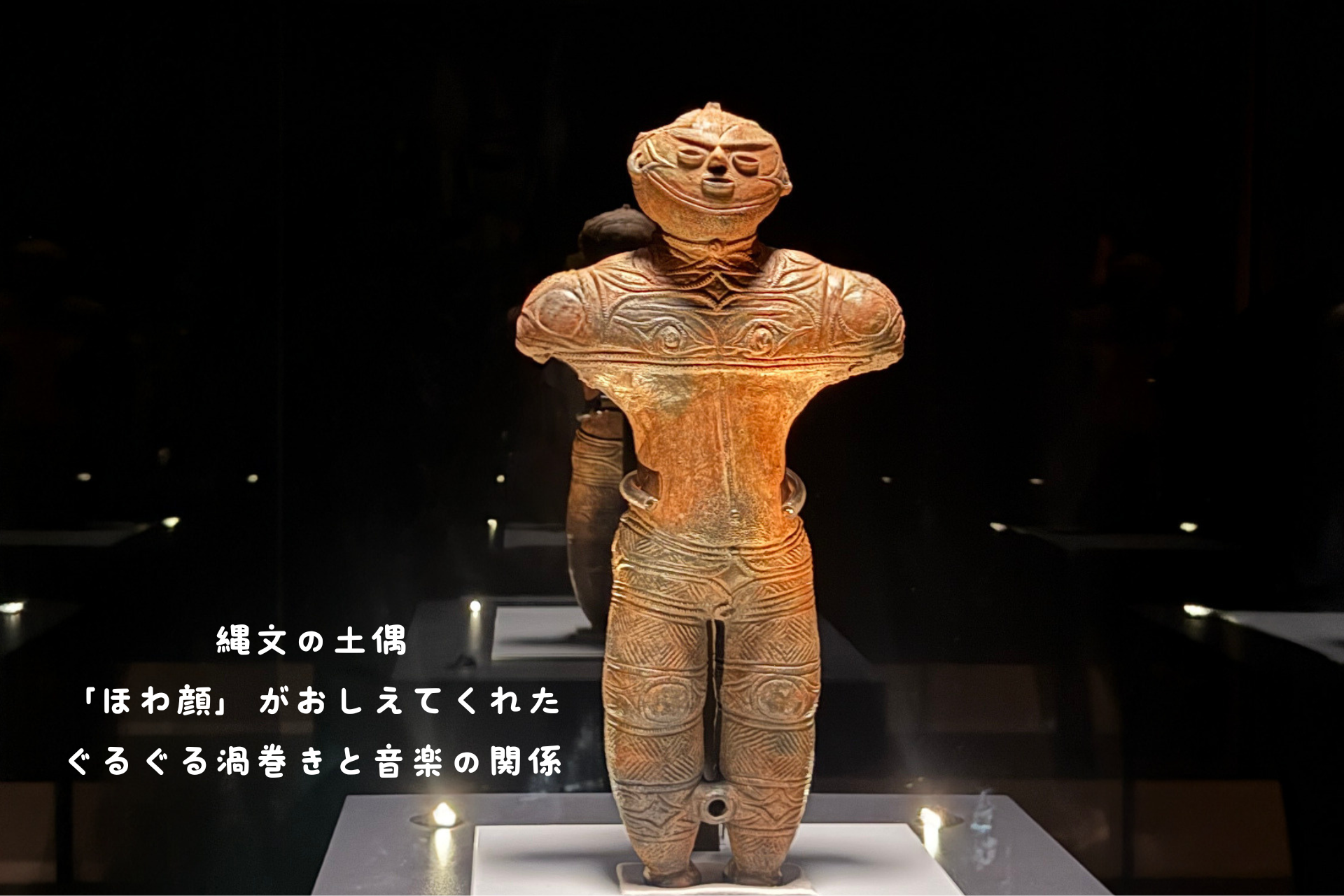
Looking at their expressions, I am convinced that the Jomon people created them as genuine art, filled with a wonderful sense of playfulness. Just look at this face—it has such a charming, puzzled look.
The Artistic Spirit of the Jomon People
In an era without clocks or cameras, the Jomon people possessed incredible imagination. They sang, made music, and crafted beautiful pottery to express life, death, joy, and sadness. It is truly wonderful how they transformed invisible emotions into tangible creations.
They lived in harmony with nature, hand-crafting their own homes, clothes, and tableware. Even their daily bowls look remarkably stylish by modern standards. Being a part of this human lineage inspires me deeply, and it makes me want to continue expressing my own feelings through music.
Life, Death, and Rebirth
The spirals found on Jomon Dogu and ancient paintings are more than just decorations. According to the book, the spiral represents Life, Death, and Rebirth.
I have always been drawn to the concept of vitality or life force. For me, this energy is found in quiet, everyday moments: reflecting on old memories, missing someone dear to me, enjoying a delicious meal, or looking forward to tomorrow.
These subtle moments constantly shape my music. In a way, my creative process is like a spiral. This realization makes me want to capture these fleeting, beautiful moments and turn them into songs.
A Deep Respect for Nature
Jomon Dogu feature incredibly intricate patterns, showing the endless time and effort poured into them. They also crafted figurines of animals like pigs, frogs, turtles, and squids. These were likely expressions of gratitude, celebrating animals as vital food sources and sacred blessings from nature.
On a side note, my music brand “Honobono Music” also features many animals. It seems I share the same love for nature as our ancestors.
Meeting “Kakku” in Hakodate
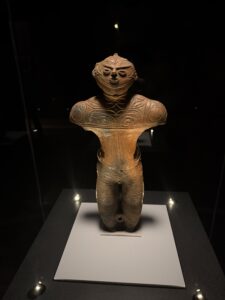
I recently visited a museum near Hakodate to see the famous National Treasure, a hollow clay figurine named “Kakku.” Standing 41.4 centimeters tall, it is completely hollow with incredibly thin walls. This required advanced technique, making it a masterpiece of high-tech craftsmanship for its time.
Under the gallery lights, Kakku looked mystical, as if it were gently asking me, “Is something on your mind?”
I also discovered other fascinating pieces, including a child’s footprint, a figurine resembling a UFO, and even a killer whale. The entire experience filled me with deep reverence for the Jomon spirit and their love for life.
Today, I shared a lot of my passion for Jomon art, so I will take a break from my usual music updates. Next time, I will bring you something fun. Stay tuned.
Sheet Music Now Available
I have created a warm and cozy piano arrangement of”Grandfather’s Clock.”

コメント