「雪」のおしゃれピアノアレンジ2種類
1聴きなじんだメロディを少しモダンに
もうすぐ2024年が終わりますね。今年の冬はどのように迎える予定ですか?
今回は冬の澄んだ空気をイメージして、童謡『雪』を2つのアレンジを紹介します。
アレンジの仕方で全体の表情が変わる、その違いを楽しんでいただけたら嬉しいです。
コードはあくまで一つの例なので、自分でしっくりくる進行を見つけて弾いてみてくださいね。
2自由な発想で、和音の響きを楽しむ
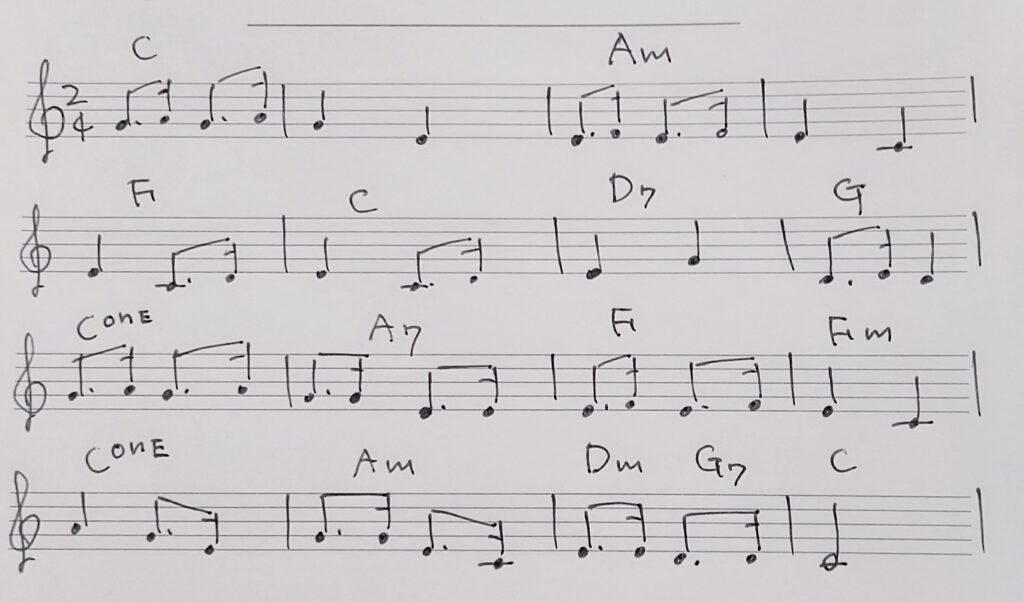
童謡『雪』を自由な発想でアレンジ。特に和音の響きにフォーカスして弾いてみました。たまには理論を忘れて不思議な感覚を楽しんでください。 コードはCーB♭の繰り返しです。
テンポや、不思議で独特な「間」を楽しみましょう。
最初から最後までアレンジしなくても、印象を持たせたい小節を繰り返すだけでも十分ですね。
冬がもたらす心身の変化
冬という季節が、心や身体にどれほど影響しているのかをあらためて感じました。
気温が急に下がって、太陽の出る時間も短くなり、外へ出ることも少なくなる。
朝起きるのがつらく感じたり(私は一年中そうですが)、体調を崩しやすくなったり。
音楽は、呼吸のように自然なもの。
自分の内側がざわついたままだと、曲作りもうまくいきません。
ここからは少しだけピアノから離れて、冬をテーマに感じたことを書いてみたいと思います。
年の暮れに思う心と体のこと

お正月は気持ちを新たにするのかな
朝はとても特別な時間です。
雑念がなく、頭がすっきりしている。
それなのに、どこからかどうでもいい情報が流れてくると、なんとなくざわざわしてしまいます。
いつもと変わらず、ピアノを弾いたり曲を作ったりするのが、いちばんいい時間です。
もう直ぐ新年になりますが、お正月ってそんなに特別な日なのでしょうか。
どうして一日で、何もかもが新しく感じられるんだろう。
私はこの考え方が、自分には合いません。
目標を立てたり、新しい気持ちになるのもいいけれど、日々は小さな積み重ねの連続。
特別に改める必要はないと思うんです。
お腹いっぱいは、頭もいっぱいになる

お正月は、たまに親戚の家に行くことがあります。
一緒に過ごす時間は楽しいけれど、出された料理をたくさん食べなきゃ、という雰囲気が少し苦手です。
かしこまった料理やお酒より、ふだん食べているもののほうが好きです。
暮れになると、飲み会で忙しそうに動く人たち。
そういう人を見ていると、自分まで忙しい気持ちになってしまいます。
だから、お正月のような少しかしこまった日は、「非日常」すぎて少し苦手。
お寿司は大好きだけど、お正月を二日過ぎたころには、納豆ご飯で十分です。
お腹がいっぱいになると、大満足で満たされた気分になります。
しかし頭の中まで不必要な事でパンパンになっている気がするんです。
だから、できるだけお腹の中を空っぽにする日を作る。
そのほうが、頭の中もクリアになって、アイディアが自然に浮かんでくるような気がするのですが、気のせいかな。
おわりに
皆さんは年の始めに目標や計画を立てたりしますか?
もしかしたらお正月は関係なく、仕事をしたり勉強をしたりしている人も多いかもしれませんね。
あわただしい日々の中でも、ひと息つける瞬間がありますように。
頭の中をクリアに保つには、日常とは違う空気も必要かもしれません。その澄んだ、そして温かい雰囲気、琉球音階で作った簡単曲。音源と楽譜付き。
ーほのぼの&Relaxing Pianoー
SNSなど動画の背景音楽に使えます。使っていただいたり聞いてもらえるのが一番の励みです!
English Version/Stylish Piano Arrangements of “Yuki” (Snow)
1. Modernizing a Familiar Tune
The year 2024 is drawing to a close. How are you planning to welcome this winter?
Inspired by the clear, crisp air of the season, I’d like to introduce two distinct arrangements of the traditional Japanese nursery rhyme, “Yuki” (Snow). It’s amazing how a simple change in arrangement can completely alter the expression of a piece—I hope you enjoy the differences!
The chords provided are just one example; feel free to find a progression that resonates best with you.
2. Exploring Harmony with Free-Form Ideas
Here, I’ve taken a free-spirited approach to arranging this classic Japanese melody, focusing especially on the unique sounds and textures of the chords. Sometimes it’s fun to forget the theory and simply enjoy a mysterious feeling! The chord progression is a simple repetition of C to B♭.
Enjoy the tempo shifts and the distinctly expressive pauses (the “ma”). Remember, you don’t have to arrange the entire piece; repeating just a few powerful measures is often enough to create a lasting impression.
The Winter Effect on Body and Mind
I’ve been reflecting on how deeply the winter season influences both our physical and mental states.
Temperatures drop sharply, daylight hours shorten, and we tend to venture outside less often. This can make it tough to get out of bed (though that’s me all year round!) and leave us more susceptible to illness.
Music, for me, is as natural as breathing. If my inner world is cluttered or restless, composing doesn’t flow well. Let’s step away from the piano for a moment to share some thoughts on winter.
Thoughts on the Mind and Body at Year’s End
Morning is an especially sacred time. My mind is clear, free of distractions. Yet, somehow, unnecessary information can leak in, creating a subtle internal commotion. I find the best time is always when I’m simply playing the piano or composing, staying true to my routine.
With the New Year approaching, I wonder: Is January 1st really that special? How can everything feel new simply because a single day has passed?
I don’t personally align with this idea. Setting goals and embracing a fresh start is fine, but daily life is a continuous series of small accumulations. I feel there’s no need for a radical overhaul.
A Full Belly Can Mean a Full Head
I sometimes visit relatives over the New Year holiday. While the time spent together is enjoyable, I find the pressure to eat a lot of the formal dishes a bit challenging. I generally prefer the casual food I eat every day over elaborate meals.
Watching others frantically busy with year-end gatherings makes me feel busy, too. That’s why formal days like the New Year feel too “out of the ordinary” for me. I love sushi, but two days into the New Year, I’m perfectly happy with just rice and natto.
A full stomach leaves you satisfied, but I often feel like my head gets equally crammed with unnecessary thoughts. This is why I consciously schedule days to keep my stomach relatively empty. It seems to clear my mind, allowing ideas to flow more naturally—or is that just my imagination?
Conclusion
Do you set goals or make plans at the start of the year? Perhaps many people simply continue working or studying, regardless of the holiday. I wish you all a moment to pause and take a breath, even amid busy, hectic days.
Connecting to the Next Post
I’ve shared my thoughts on the “out-of-the-ordinary” feeling of New Year’s Day, but there’s another kind of “special extraordinary” that truly resets the mind and body: travel to a different culture.
To keep the mind clear, sometimes we need a different kind of air. I’d like to share a simple, original piece I composed using the Ryukyuan scale, inspired by the clear and warm atmosphere of Okinawa. It comes with both the audio and the sheet music.

コメント